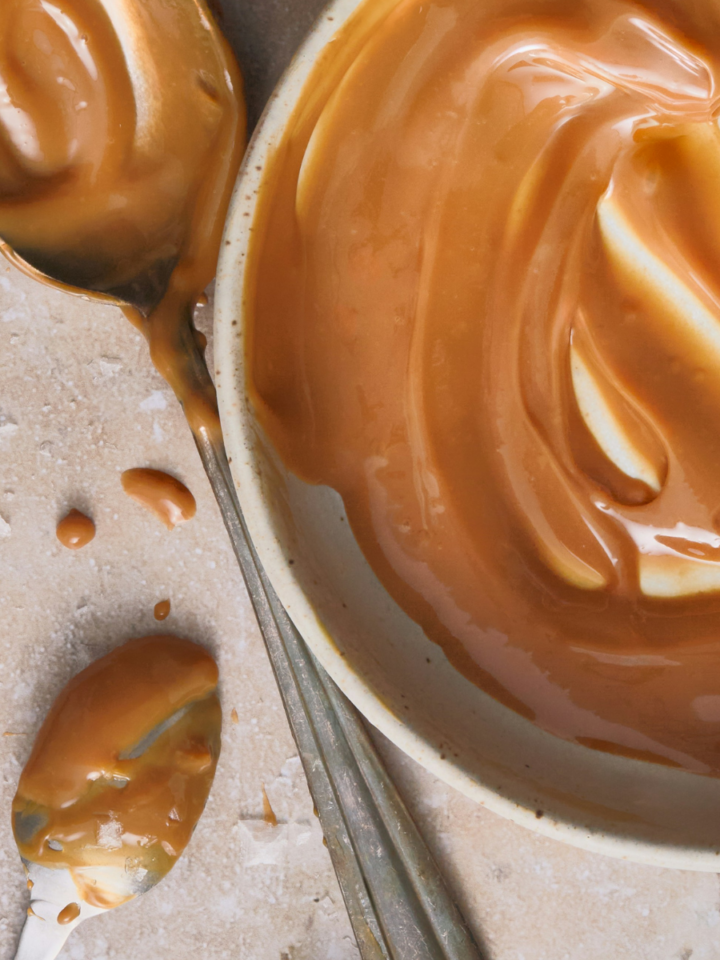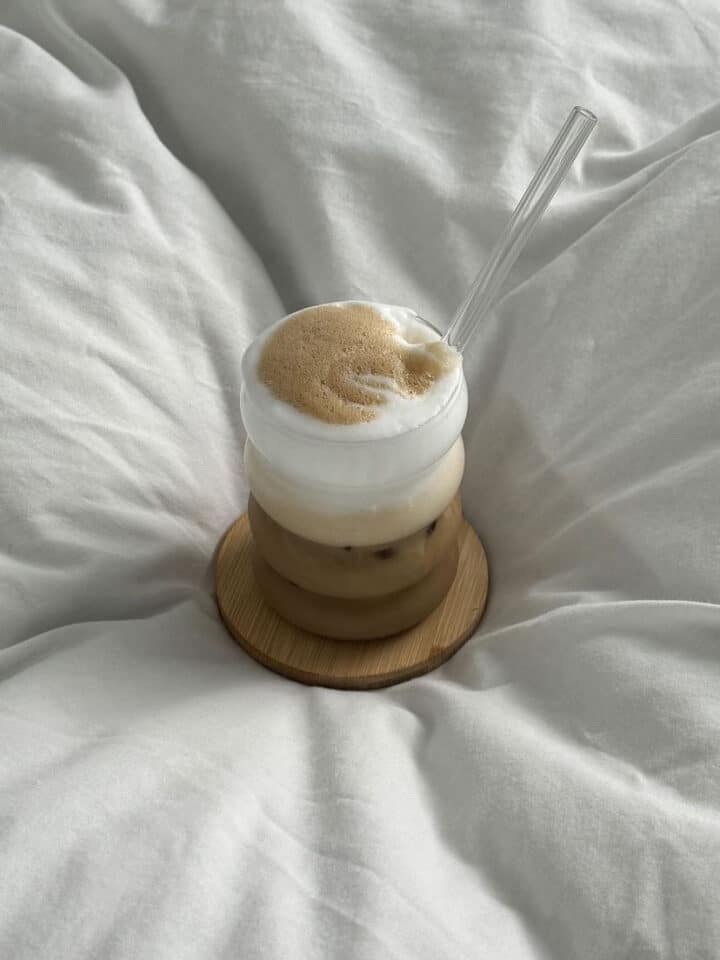
blueberry earl grey syrup

The coffee trailer at my local farmers market served this, and it's become one of my new favorites.
Ingredients
- 225 g (1½ cups) frozen blueberries
- 200 g (1 cup) brown sugar
- 200 g (1 cup) turbinado sugar
- 200 ml (scant 1 cup) water
- 40 g (2 tablespoons) light corn syrup
- 2-3 tea bags, opened
- salt
- ½ - 1 teaspoon blueberry extract (optional)
- 1 teaspoon vanilla bean paste or vanilla extract (optional)
- orange zest, optional
Instructions
- In a medium saucepan, combine the frozen blueberries, water, brown sugar, turbinado sugar, corn syrup, and a good pinch of salt.
- Bring to a gentle simmer over medium heat, stirring occasionally until the sugar dissolves and the blueberries begin to burst, about 8–15 minutes.
- Lightly mash the blueberries with the back of a spoon to release the juice. Allow the syrup to simmer for a few minutes and reduce slightly.
- Remove the saucepan from the heat. Add the orange zest, if using. Open the Earl Grey tea bags and add the loose tea directly to the syrup. Cover and steep for 5 minutes, or until the Earl Grey flavor is as strong as you like.
- Strain the syrup through a fine-mesh sieve. Stir in the vanilla bean paste and blueberry extract, if using.
- Let cool completely before transferring to a clean bottle or jar.
Notes
- A high-quality loose-leaf Earl Grey will create a more pronounced tea flavor than standard tea bags. I like Fraiser brand creamy Earl Grey tea for recipes like this. If you’re using a high-quality Earl Grey tea, you may only need one tea bag. If the tea flavor is not strong enough, you can cold-steep a bag of Earl Grey tea by placing a bag in the syrup and allowing it to sit overnight in the fridge.
- Usually, frozen blueberries produce a richer flavor and deeper color than fresh store-bought blueberries. I try to keep a bag of local farmers market blueberries in my freezer. If you are using fresh blueberries, I recommend freezing them first. Freezing breaks down the cell walls and helps extract more juice from the berries. If your blueberries are bland, consider using a few drops of blueberry extract.
- DO NOT BOIL. The pot should be just warm enough to steam and dissolve the sugar. Look for tiny bubbles slowly emerging around the edge of the pot. The surface of the sugar will start to look glossy, and there will be no graininess when rubbed between your fingers. Also check around the sides of the pot to make sure there are no undissolved sugar crystals. You can use a pastry brush dipped in water to remove any lingering sugar around the edges.
- Technically, the corn syrup is optional, but I recommend adding it to all my syrups and sauces for the smoothest texture. It also gives the syrup a glossier consistency without making it noticeably sweeter. And it helps prevent crystallization, which is a common problem when making syrup at home. Less-refined sugars like brown and turbinado contain more variable crystal sizes that may lead to crystal reformation as the syrup cools.
- Can I use white sugar or other types of sugar?
- I highly recommend using vanilla bean paste (or even whole vanilla beans) in syrup recipes. Not only are the flecks of vanilla charming, but they provide ample flavor.
- I make all of my syrups as a rich simple syrup, which is a concentrated sugar syrup made at a 2:1 sugar-to-water ratio. It results in a thicker body, deeper sweetness, and better shelf life than standard simple syrup (1:1 ratio). Sugar is a natural preservative, and because of the higher sugar content, it resists spoilage and crystallization better. The addition of corn syrup improves stability, too.
- However, homemade syrups do not contain the same preservatives as commercially produced syrups, so shelf life can vary depending on the ingredients used, sanitation, room temperature, and sunlight. For the best flavor and quality, I recommend storing all homemade syrups in the refrigerator once completely cooled.
Yes, but... white sugar is just sweet. It doesn't provide the same level of depth and richness as other sugars. Brown sugar, especially dark brown, adds warmth and molasses flavor, while turbinado gives a light toasted note. You can swap it, but keep in mind that different sugars will shift the flavor of the syrup. However, because brown sugar add flavor, if your blueberries taste more bland, replacing some (or all) of the brown sugar with white may help amplify the blueberry notes. Also note I do not make my syrups with sugar alternatives and have not tested that.
If stored in a sanitized, airtight glass container and handled cleanly (always handle with freshly washed hands, a clean spoon or pour spout), a rich, simple syrup can last almost forever, but flavor may slowly decline. If the syrup smells sour or fermented, has a cloudiness that doesn’t dissolve when shaken, or has visible mold, discard immediately and remake.
Storage: Refrigerate for up to 3 weeks. Shake gently before using.
Simple syrups with high-risk ingredients: Syrups that contain ingredients with a higher moisture content can increase spoilage; ingredients like fruits, fresh herbs, dairy, etc. should be kept in the fridge.
Simple syrups with lower-risk ingredients: Syrups containing bakery extracts (ie shelf-stable flavor concentrates like vanilla or peppermint extract) may be kept on the counter (at the user's discretion) if made and stored properly. However, if you are not going to use it quickly, keep it in the fridge. It will probably last almost indefinitely.
Serving size: I use about 1 to 2 tablespoons per 16-oz espresso-based drink and about 1 teaspoon per 16-oz drink used with other bases, concentrates, or components.
Nutrition Information
Yield 32 Serving Size 1Amount Per Serving Calories 57Total Fat 0gUnsaturated Fat 0gSodium 3mgCarbohydrates 14gFiber 0gSugar 14gProtein 0g
Nutrition facts are for personal reference only as calories may vary on a case by case basis.